Florida Ophthalmologist Insurance quote and information.
- How do insurance companies define Ophthalmologist?
- What risk exposure do Ophthalmologist have?
- What is the price of Ophthalmologist insurance?
- Is insurance for Ophthalmologist required in Florida?
- What coverages are common to Ophthalmologist businesses?
- Can you provide insurance anywhere in the state?
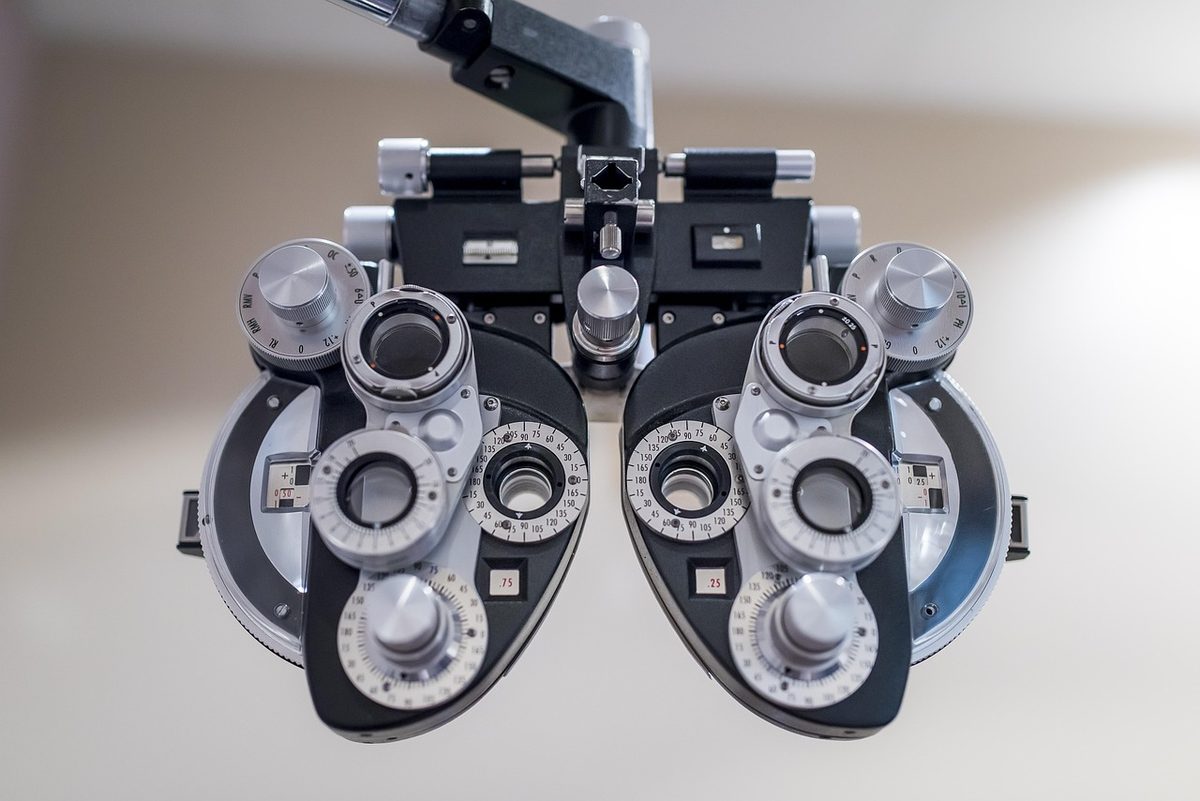
How do insurance companies define Florida Ophthalmologist Insurance?
An ophthalmologist is a doctor who specializes in the treatment of diseases of the eye such as glaucoma, or in eye surgery needed to correct problems such as laser or refractive surgery. As a medical doctor, they are licensed to prescribe medications. Help protect yourself with Florida Ophthalmologist Insurance today!
Have a Quick Question?
What risk exposure do Ophthalmologist have?
Property Exposure
Is very light for fire and crime. Most Florida property items are best covered with the physicians and surgeons inland marine floater. The business interruption exposure can be minimized if the ophthalmologist has arranged for temporary facilities with another ophthalmologist.
Inland Marine Exposure
Is the physicians and surgeons floater items. This coverage will include items that the ophthalmologist may take off site to handle emergencies. It can also be extended to include all office furnishings. An ophthalmologist’s office will generally include sophisticated computer and medical equipment. All electrical wiring must be up to code and equipment properly maintained. A small fire, which produces smoke, can cause a lot of damage because of the need for sterile equipment. Additional exposures include accounts receivable and valuable papers and records (patients records and medical research books). It is vital that duplicates are kept of all records and programs and they be kept off site in Florida.
Crime Exposures
Is from employee dishonesty of both money and inventory. All ordering, billing and disbursement must be handled by separate individuals. Monitoring must be constant.
Premises Liability
Exposure is light but the customer areas should be neat with no obstructions and well lighted when people are traveling to and from the examination area. Overhead equipment should be moved before patients exit examination chairs. If surgery is performed, the area must be kept sterile at all times and carefully controlled. The patients’ area must be designed for patients who are visually impaired following the surgery. Escort procedures must be clear for all personnel.
Professional Exposure
Are a primary concern. All ophthalmologists and employees working directly with the Florida patient should be well trained, experienced, and properly licensed. The more varied procedures that the ophthalmologist performs, the more chance of professional loss. Needles and other equipment must be sterilized and sanitized to prevent the spread of blood-borne infectious diseases such as hepatitis, HIV and AIDS. On-site surgery must be closely monitored, with an experienced trained individual administering and monitoring the use of the anesthetic. Training and safety equipment should be in place to prevent exposure to radiation when performing X-rays. Florida automobile exposure is generally limited to hired and nonownership liability for employees running errands unless the ophthalmologist travels to client locations such as nursing homes, hospitals and surgery centers. In that case, the radius of the area driven as well as the age, record, and training of the driver should be checked. Overall, however, the exposure should be relatively light.
Workers Compensation
Exposure is from possible transmission of disease from a patient. Gloves and masks should be worn at all times when working around any bodily fluids.
Have a Quick Question?
What is the price of Ophthalmologist insurance?
There’s no single price, because insurers rate each ophthalmology practice on its own details. The biggest factors are the ones our quote form asks about: your number of employees and payroll; your annual sales; the square footage of your location; whether you use subcontractors and whether they’re insured; the liability limits you want; and your claims history.
Send us those details through the quote form and we’ll compare options from the insurance companies we represent.
Is insurance for Ophthalmologist required in Florida?
Ophthalmologists are physicians, so Florida’s financial responsibility rule applies: usually professional liability insurance of at least $100,000 per claim with a $300,000 annual aggregate, or $250,000 and $750,000 with hospital staff privileges. An escrow account or letter of credit can be used instead of insurance (Section 458.320, Florida Statutes).
Florida requires workers’ compensation once a practice has four or more employees. Owners who are corporate officers or LLC members count toward that number; sole proprietors and partners don’t, unless they choose to be covered (Florida Division of Workers’ Compensation).
What other insurance should a Ophthalmologist consider?
Commercial Property, Employee Dishonesty, Money and Securities, Accounts Receivable, Computers, Physicians and Surgeons Floater, Valuable Papers and Records, General Liability, Professional, Employee Benefits, Umbrella, Commercial Auto, Workers Compensation
Can you provide insurance anywhere in the state?
We have helped customers all across the state of Florida. Below are some of the cities we have done business in.
- Jacksonville
- Miami
- Tampa
- St. Petersburg
- Orlando
- Hialeah
- Tallahassee
- Fort Lauderdale
- Port St. Lucie
- Pembroke Pines
- Cape Coral
- Hollywood
- Gainesville
- Miramar
- Coral Springs
- Clearwater
- Miami Gardens
- Palm Bay
- West Palm Beach
- Pompano Beach