Florida Concrete Contractor Insurance quote and information.
- How do insurance companies define Concrete Contractor?
- What risk exposure do Concrete Contractor have?
- What is the price of Concrete Contractor insurance?
- Is insurance for Concrete Contractor required in Florida?
- What coverages are common to Concrete Contractor businesses?
- Can you provide insurance anywhere in the state?
How do insurance companies define Florida Concrete Contractor Insurance?
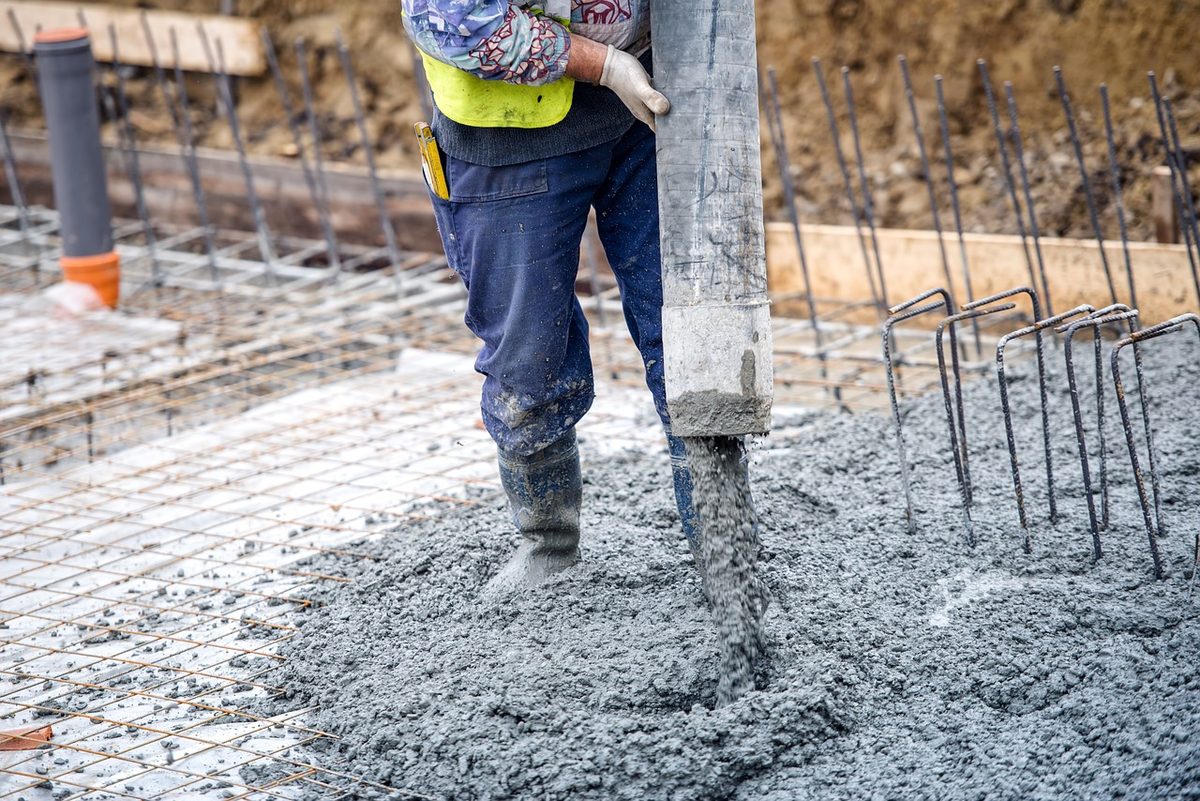
Cement and concrete construction involves pouring concrete into forms (wooden or metal molds) at the Florida job site. The result is a wall, foundation, basement, sidewalk, parking lot or roadway. Concrete may be mixed in transit or at the site. It consists of aggregate (sand and gravel) and cement (the binding agent) plus water.
Many contractors specialize in flatwork such as driveways and sidewalks. Others do structural work, which varies from foundations and footings to walls and bridge decking.
First, the crew clears and levels the site and lays forms to the size and shape of the construction. They may place mesh or reinforcement bars (rebar) in the form. Then the cement or concrete is mixed and poured. It must cure (be kept moist so it dries slowly to maintain its strength), harden and dry. Sleep well at night with some Florida Concrete Contractor Insurance protection for your business.
Have a Quick Question?
What risk exposure do Concrete Contractor have?
Property Exposures
The contractor’s own location usually consists of an office and storage for materials, equipment and vehicles. There may also be a Florida contractor’s yard with large mixing or batch plants. These plants combine the ingredients and load them into the trucks. They have a low susceptibility to damage.
Inland marine exposure involves the contractor’s equipment. Much of the machinery is heavy, large specialty equipment with unique transport exposures. Evaluate the training of drivers and haulers, especially for loading, tie-down and unloading.
Equipment hazards arise during actual use in construction. They may come from the uneven terrain at Florida job sites or from the abrasive or caustic nature of some materials. The sheer weight of the concrete is a special concern, because it may affect the equipment’s load capacity.
Tools and equipment may also fall from heights or be struck by other vehicles. Concrete forms can be attractive for theft. They lack identifying marks, and crews must leave them overnight or longer at a site. The primary hazards are vandalism and theft.
Premises liability
Premises liability is another area of high concern. Wet cement is well known as an attractive nuisance hazard to children. The hazards to the public or to employees of other contractors can also be significant, particularly in structural work. Large mixers and mix-in-transit vehicles are heavy enough to cause serious injury or property damage. Hazards increase significantly without job site control, including spotters, signage and barriers where appropriate.
Completed Operations Exposures
Completed operations is another major area of potential loss exposure. The designer and engineer of the project, the type and quality of materials, the mixing process and the construction details are all critical.
Quality control is necessary, as is full compliance with all construction, material and design specifications. So is documentation of Florida customer specifications, work orders, change orders, and inspection and acceptance by the customer. The mixture of the cement and concrete, and the materials used to harden and cure it, must meet all specifications.
Automobile Exposures
Automobile exposures have catastrophic potential, since mix-in-transit units are among the heaviest on the road. They can cause severe injury or damage even in apparently minor collisions. Such units are compact and heavy, so they are difficult to tow if they get driven into a ditch, stuck in mud at a job site or flipped over.
Consider the age, training, experience and records of the drivers. Also consider the age, condition and maintenance of the vehicles. Mix-in-transit trucks are extremely awkward to handle, both on the road and while pouring. They require special training to prevent rollovers.
Workers Compensation
Workers compensation has many high potential loss opportunities. Frequent and severe losses can occur at every stage, from excavating piling or foundations (in land or water) to laying the structure and completing the final project. Any time work is done above water or above ground in Florida, injury or death can occur from falls, drowning or being struck by falling objects.
Common injuries come from work with tools, strains and lifting. Fine sand from the aggregate may cause eye injuries or even lung disease such as silicosis. Large, heavy machinery has unique hazards that need review, including its use, misuse, maintenance and transport. Pouring mix concrete from a mixer usually involves working on top of the vehicle. The absence of proper guarding may significantly increase the hazard.
Have a Quick Question?
What is the price of Concrete Contractor insurance?
There’s no single price, because insurers rate each concrete contractor on its own details. The biggest factors are the ones our quote form asks about:
- Your payroll and number of employees, which drive the workers’ compensation premium
- Your annual revenue
- How much of your work is residential or new residential construction
- Whether you work above three stories or do any roofing
- Whether you use subcontractors and whether they’re insured
- The liability limits you want
- Your years of experience
- Your claims history
Send us those details through the quote form and we’ll compare options from the insurance companies we represent.
Is insurance for Concrete Contractors required in Florida?
Concrete work is on Florida’s list of construction class codes (class codes 5213 and 5221, Rule 69L-6.021). Florida therefore requires workers’ compensation as soon as you have one employee. Owners who are corporate officers or LLC members count as employees unless they hold an exemption (Florida Division of Workers’ Compensation).
If your work requires a state contractor license, that license also requires public liability and property damage insurance (Rule 61G4-15.003, Florida Administrative Code). Your county may also require proof of insurance before you start a job. So may any general contractor you work for.
What other insurance should a Concrete Contractor consider?
Business Personal Property, Contractors’ Equipment, Employee Dishonesty, General Liability, Employee Benefits Liability, Umbrella Liability, Commercial Auto, Stop Gap Liability, Workers Compensation
Can you provide insurance anywhere in the state?
We have helped customers all across the state of Florida. Below are some of the cities we have done business in.
- Jacksonville
- Miami
- Tampa
- St. Petersburg
- Orlando
- Hialeah
- Tallahassee
- Fort Lauderdale
- Port St. Lucie
- Pembroke Pines
- Cape Coral
- Hollywood
- Gainesville
- Miramar
- Coral Springs
- Clearwater
- Miami Gardens
- Palm Bay
- West Palm Beach
- Pompano Beach